
Sustainability Is Not A Luxury
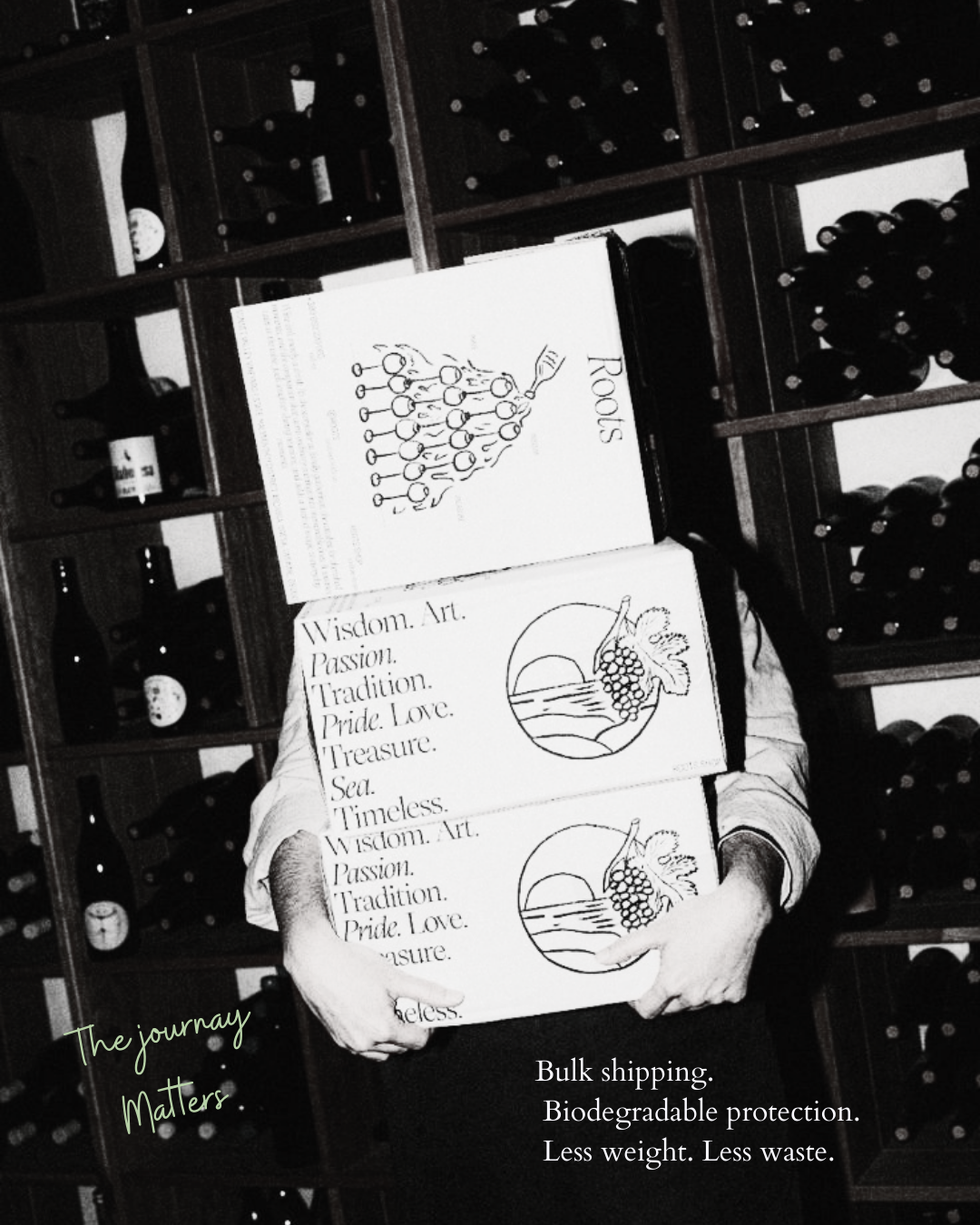
Spotlight on Eco-Packing: The Wine Sector's Green Revolution and Commitment to Nature
The wine industry, a sector intrinsically linked to the generosity of nature, is now leading the charge in mitigating its environmental footprint. The fact that the traditional glass bottle constitutes a significant 30% to 68% of a bottle of wine's total carbon footprint has created an opportunity, rather than just a necessity, to build a greener future. This transformation, driven by the eco-packing trend, is both protecting our planet and opening the doors to profound innovation.
In this exciting process, producers and supply chain partners are creating a revolution across three core areas that maximize their contribution to nature:
I. Enhancing the Value and Efficiency of Glass
Efforts are focused on preserving the cultural legacy of glass while significantly boosting its environmental accountability.
Lightweighting: Reducing bottle weight is revolutionizing logistics, preventing hundreds of tonnes of carbon emissions in a single step. By using lighter glass bottles, the total weight carried per pallet of wine can be reduced by 10-15%, making this a monumental environmental victory for logistics.
Recycled Content: The increasing use of recycled glass (cullet) in production substantially reduces energy consumption and the need for raw materials. Using recycled glass decreases energy consumption by approximately 25% compared to producing new glass. This embodies a vision to give waste new life and strengthen the circular economy.
Capsule and Label Innovation: Solutions that consider nature are being developed for every detail on the bottle; the waste load is being lightened with recyclable or biodegradable materials, all without compromising aesthetic appeal.
II. Bold Steps Toward Future Packaging
The industry is adopting new formats that combine practicality and sustainability, moving beyond traditional boundaries.
Aluminum Cans: Offering infinite recyclability and being far lighter than glass, aluminum provides robust support to the recycling system while adapting to the modern lifestyle. Aluminum cans produce up to 40% less carbon footprint during transport than glass bottles.
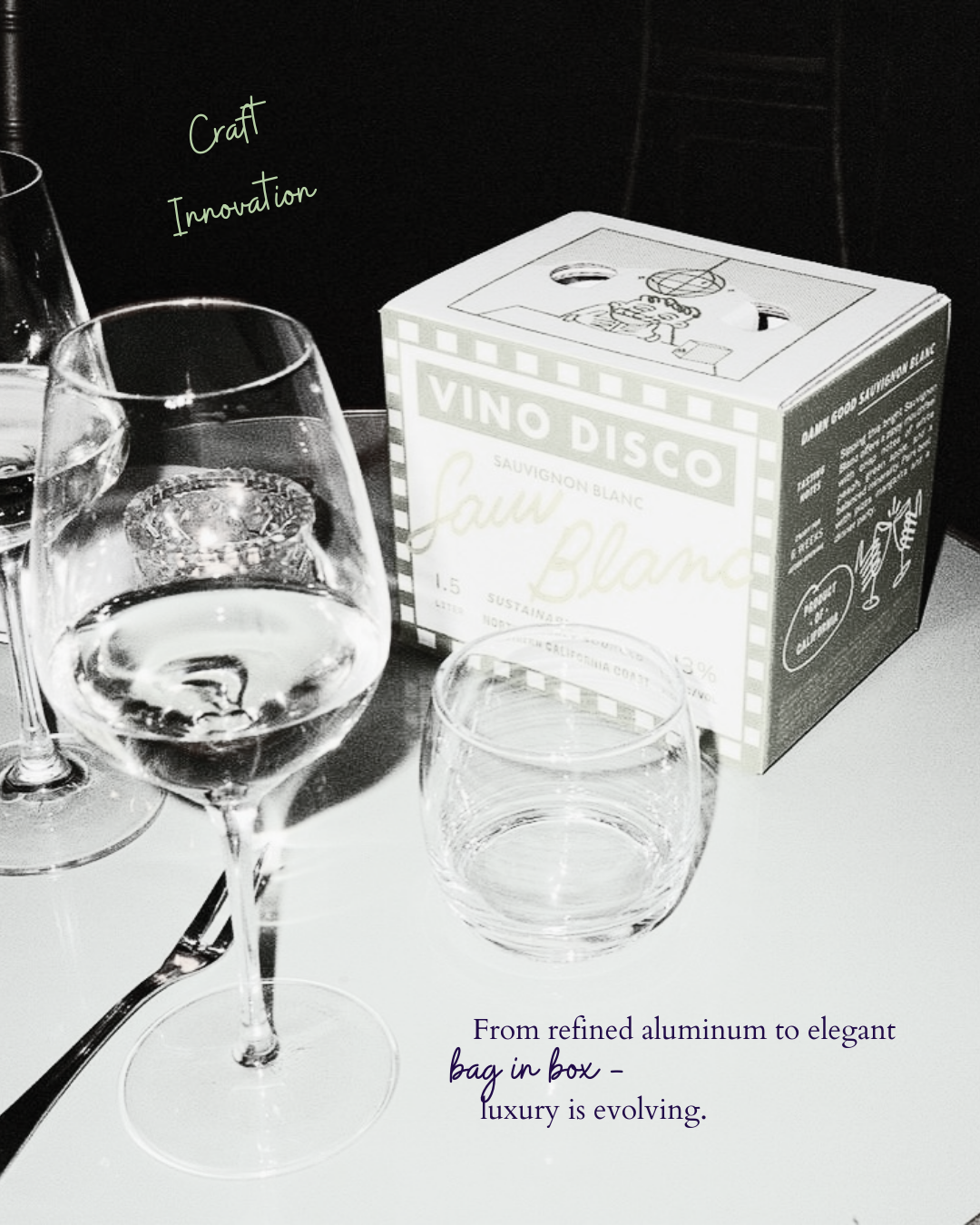
Bag-in-Box (BIB) Wine: As the solution with the lowest carbon footprint per litre, BIB not only offers logistics efficiency but also significantly extends the wine’s life after opening—up to 6 weeks—providing a vital environmental benefit by curbing food waste.
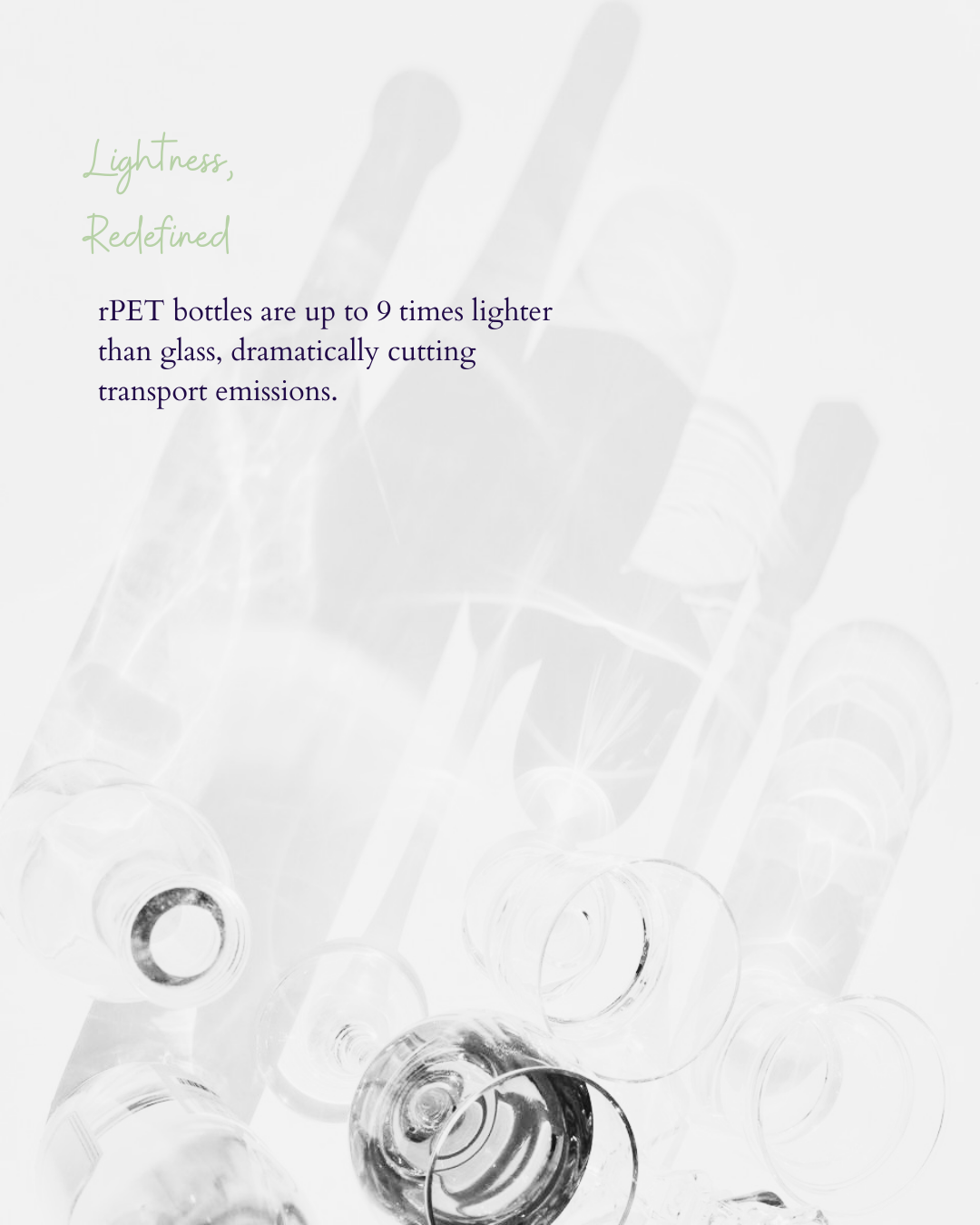
Recycled PET (rPET) Bottles: Being up to 9 times lighter than glass, these bottles dramatically reduce emissions, especially in volume freight, paving the way for fast and eco-friendly solutions. rPET bottles can generate up to 85% less carbon emission compared to conventional glass.
III. Ecological Efficiency in the Supply Chain
Environmental responsibility is manifesting itself not just in the packaging, but across every stage of the wine's journey.
Bulk Shipping: Transporting wine in flexitanks rather than in already-bottled form, and then bottling it at the destination market, significantly reduces shipping weight and emissions, making global trade greener. Bulk shipping results in a 40% to 50% saving in carbon emissions compared to shipping bottled wine.
The Green Shift in Protective Packaging: Environmentally damaging materials like Styrofoam are being replaced with renewable alternatives such as recyclable corrugated cardboard and biodegradable fibrous packaging, easing the burden left on nature.
The wine sector, by uniting innovation and responsibility, is taking determined steps toward creating a legacy of flavour that respects nature. This transformation is an exciting success story for both producers and conscious consumers